Fraud Prevention
Leveraging IP data in fraud prevention enables organizations to establish a robust defense against online threats by detecting anomalies, identifying potential risks, and creating a more secure online environment for users.
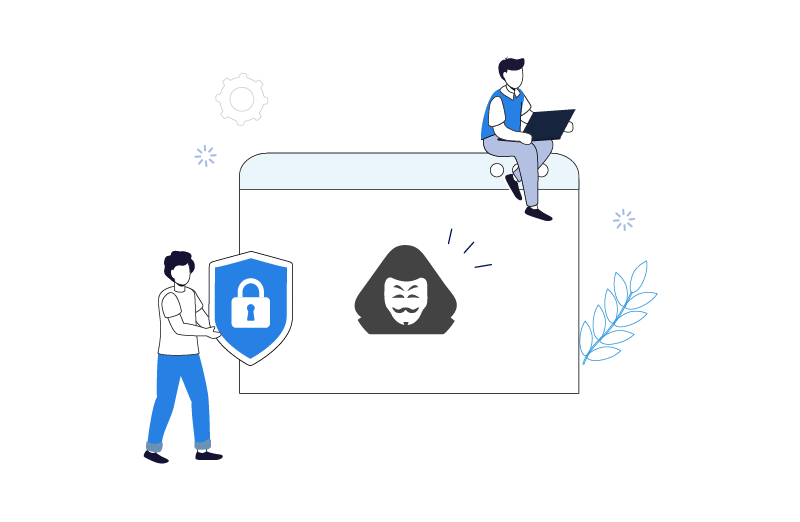
IP Data in Fraud Prevention
Explore how IP data helps in fraud prevention
Geolocation Verification
Businesses can verify a user’s location using IP data. Sudden shifts in geolocation, especially from distant or unfamiliar places—may signal potential fraud.

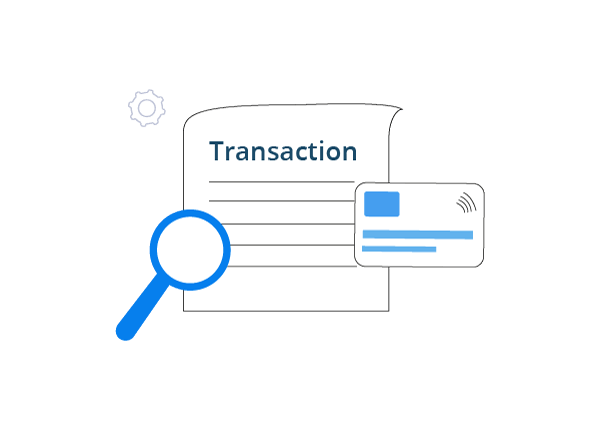
Transaction Verification
For online transactions, analyzing the IP address adds another layer of security. If an IP is flagged as suspicious or has prior fraud-associated activity, that transaction can be automatically flagged for review.
Proxy Detection
Fraudsters often use proxies to disguise their IP and location. By analyzing IP data, you can detect proxy usage which is a potential sign of malicious activity. Blocking known or suspicious proxy traffic helps prevent unauthorized access.

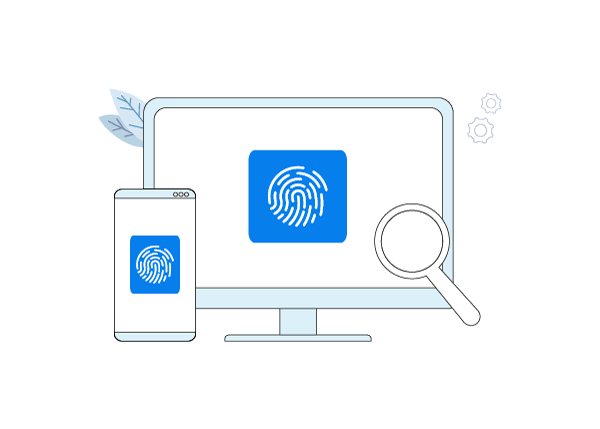
Device Fingerprinting
Using IP data as part of a broader fingerprinting strategy helps identify devices previously linked to fraud. Systems can then flag or block those devices on future visits.
Get Started – Free IP Data & API Access
Instantly reveal user geolocation. Use IP insights to enhance campaign targeting and security. Try it now.
Resources
Helpful guides and multimedia to support your cybersecurity efforts.
Blog Articles
In‑depth, searchable articles with practical IP-geolocation strategies.
Videos
Insightful walkthroughs and expert demonstrations.